At the Olympics of synthetic biology, 50 percent of the teams are Chinese — and counting. What does that mean for the future of the biotech industry?
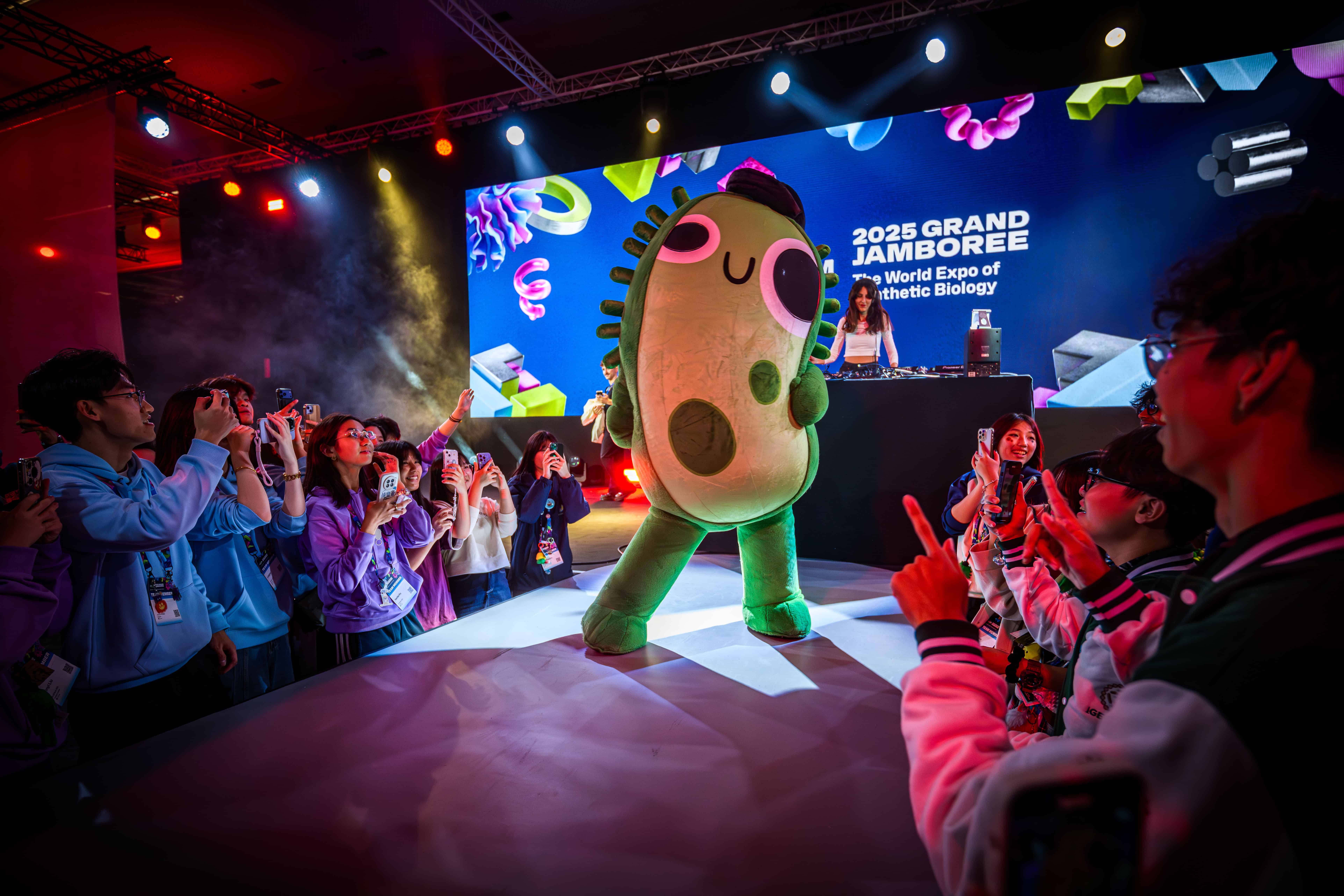
Gemy, iGEM's official mascot. A key feature of the competition since its inception is it's supposed to be fun. Credit: iGEM Foundation
Inside a cavernous convention hall in Paris in late October, thousands of students gathered for the latest biotechnology Olympics.
The event, called the International Genetically Engineered Machine (iGEM), is unknown to most yet revered in the brainy world of synthetic biology. Each year, more than 5,000 participants from high schools and universities around the world spend the summer mulling biological problems and how they might be solved through bioengineering. They then descend on P
Exclusive longform investigative journalism, Q&As, news and analysis, and data on Chinese business elites and corporations. We publish China scoops you won't find anywhere else.
A weekly curated reading list on China from Andrew Peaple.
A daily roundup of China finance, business and economics headlines.
We offer discounts for groups, institutions and students. Go to our Subscriptions page for details.
Sanctions and export controls failed to contain the rise of Yangtze Memory Technologies Corp. Now the national champion is riding the AI boom to a record IPO.
We use cookies to ensure that we give you the best experience on our website. If you continue to use this site we will assume that you are happy with it.